Photography With Flash: 3 Mistakes to Avoid
Are you new to photography with flash? In this post I’ll be sharing 3 flash photography mistakes that you’ll want to avoid if you goal is to create well lit images that look natural. (If you want your images to look like they were obviously taken with bare, direct flash, this post probably isn’t for you. No judgement from me! I know this look has become popular in recent years.)
Photography with Flash- Meet Kelley
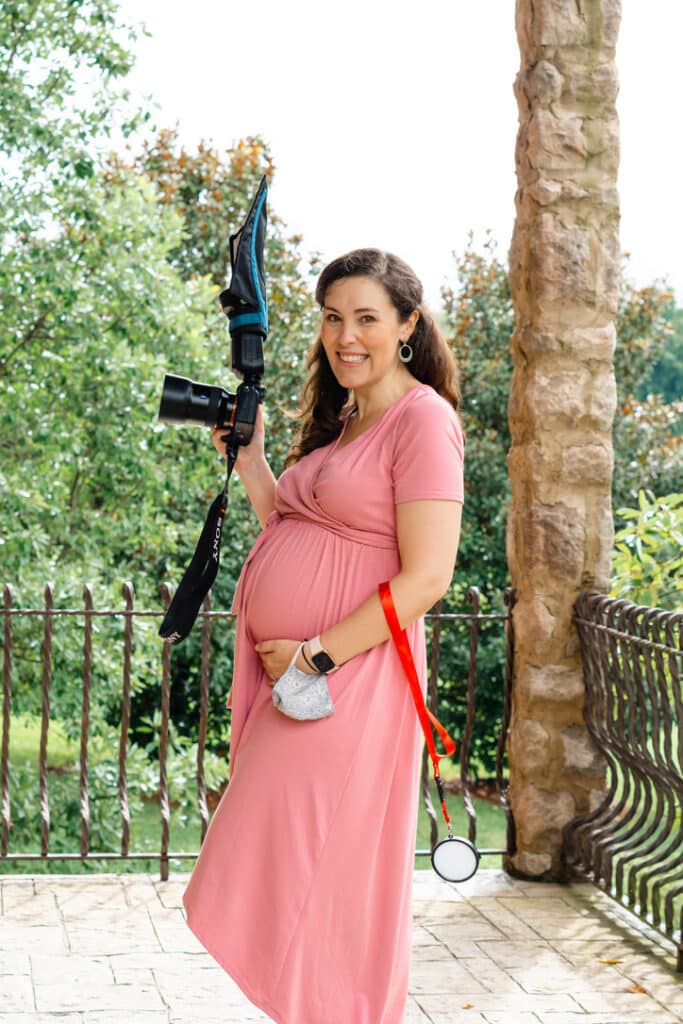
In case we haven’t bumped into each other on the internet before, my name is Kelley Hoagland. I’m a family and newborn photographer near Chattanooga, TN. I learned how to use flash after being consistently frustrated when trying to photograph clients in low light homes. Indeed, I was over the high ISO and muddy skin tones.
Flash used to really intimidate me. However, once I mastered a simple approach to creating consistent, natural looking light, I fell in love with flash! No more stressing over the location of windows and the weather forecast for my indoor sessions!
If you’re new to flash, (like new new) I have a Free Quick Start Flash Photography Course that will help get you started with understanding all the modes and settings of speedlights. Struggling to get your Godox flash to fire consistently? Check out this post.
Photography With Flash Mistake #1: Pointing A Bare Flash Directly At Your Subject
Okay. Like I said above, don’t come at me if you’re going for the dramatic, “flashy” look. If you goal is to create lighting that looks natural, avoid pointing your flash head directly at your subjects face. This will this be uncomfortable for your subject if they are looking in your direction. It will also produce really harsh lighting.
We got our oldest two daughters Intax instant cameras for Christmas. It’s been hilarious to see the photos they’ve taken. As a photographer, I’ve also been amused at the quality of the images produced. No matter the setting, the flash located on the front of the camera goes off, hitting the subject directly. Most of the members of my crew have fairly pale skin. Even our dog is blonde! We all look downright ghostly in the images these cameras are spitting out.

What should you do instead to improve your photography with flash? Look for ways to modify or diffuse the light coming out of your flash. This can be accomplished most simply by bouncing the flash off of a white ceiling, wall or window. (You’ll want to avoid bouncing off of colored walls or ceilings which would result in a color cast.) There are plenty of modifiers on the marker for on camera flash such as flash benders and mag mods. For paid client work, I usually opt for off camera flash and modify with an umbrella or soft box.

Mistake #2: Using Too Much Flash Power
Using too much flash power in your photography with flash can create unnatural looking results. Digital cameras, in particular do not do as well with overexposure. Overexposing can result in loss of detail/information in the highlights. This can be hard to fully correct even in editing. Watch out for this even with bounced or diffused light.
In general, I try to use the lowest flash power I can get away with. If I’m shooting indoors on an overcast day, my flash power usually hovers around 1/64, 1/32, up to 1/16. I’m personally happy to err on the side of slightly underexposing rather than overexposing when using flash. Shooting with the flash set to manual mode allows the photographer to retain more control over the output of the flash. You can read my thoughts on manual vs TTL mode here.

Mistake #3: Giving your Flash an Unnatural Direction
When thinking about the direction of my artificial light, I like to think about the natural light I usually interact with. Generally, for outdoor sessions, I’m dealing with the sun. Obviously, the suns light shines down on your subject, with the exception of sunset where it might be horizontal to your subject. The same is true indoors. Our rooms are usually illuminated by overhead lights. Light from windows and lamps may hit your subject from the side. Generally, the light source is not shining from the bottom up, unless someone is telling spooky stories around a campfire.
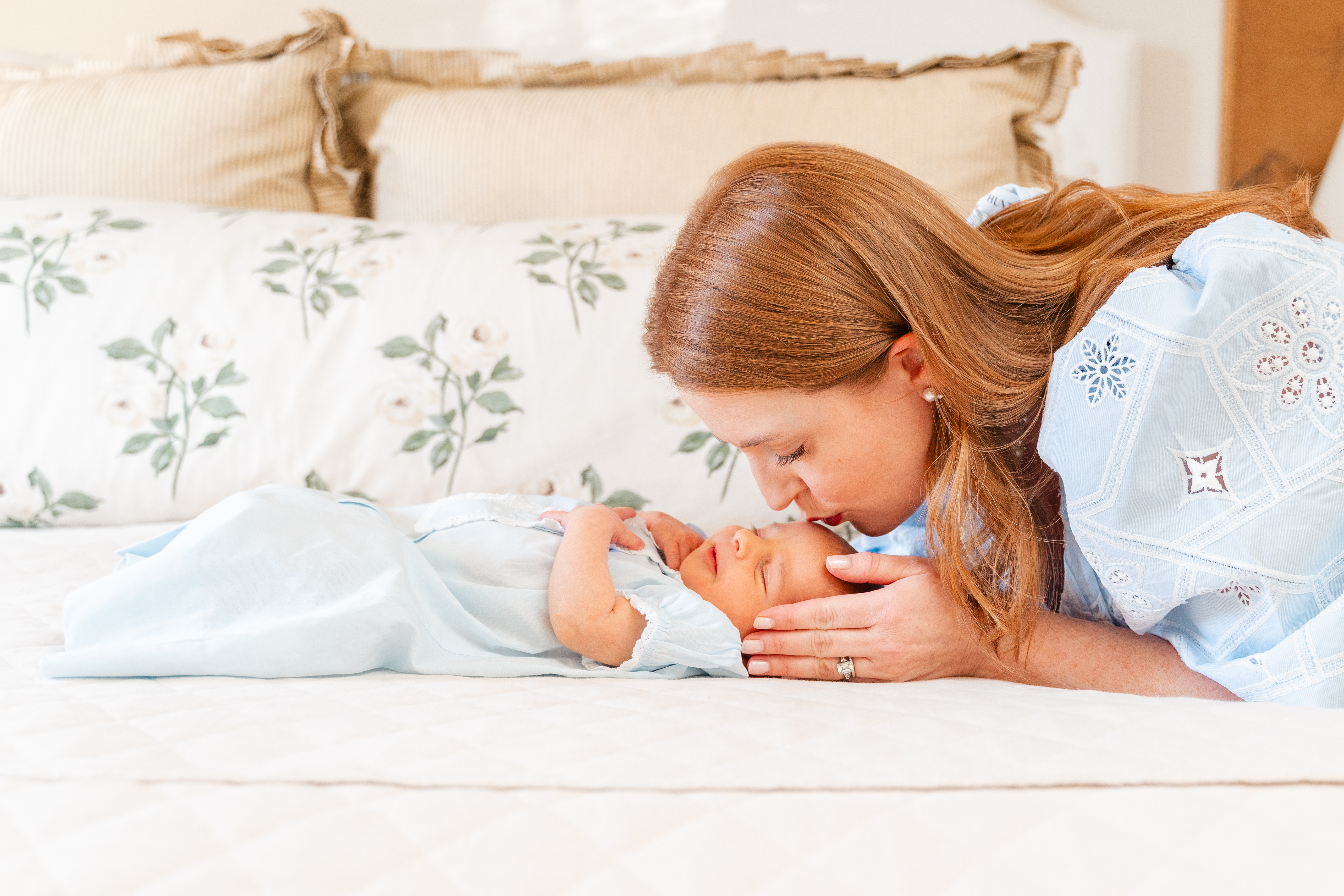
Bouncing flash off of the ceiling gives your artificial light a natural direction. When using off camera flash on a light stand, I always try to position the light at least slightly above my subject pointing downwards. This consideration really comes into play when photographing someone who is laying down or a baby who has been positioned in a crib or on a pillow. My goal is always to position the light so that it shines from above their head and down towards their body for natural looking shadows.
Get to Work Practicing Photography With Flash!
I hope you’ll watch out for these 3 mistakes the next time you practice photography with flash. See if they make a difference in the quality of your work! Feel free to report back and let me know how it went!
